SERIES 1, ISSUE 2
SHOP NOTES
What’s in the Bay This Week?
Range Rover Classic: An Ongoing Negotiation With The Cold
This Range Rover Classic came into the shop just before the snow hit. This kind of cold weather has a way of exposing even small compromises that a vehicle may have been living with for a long time.
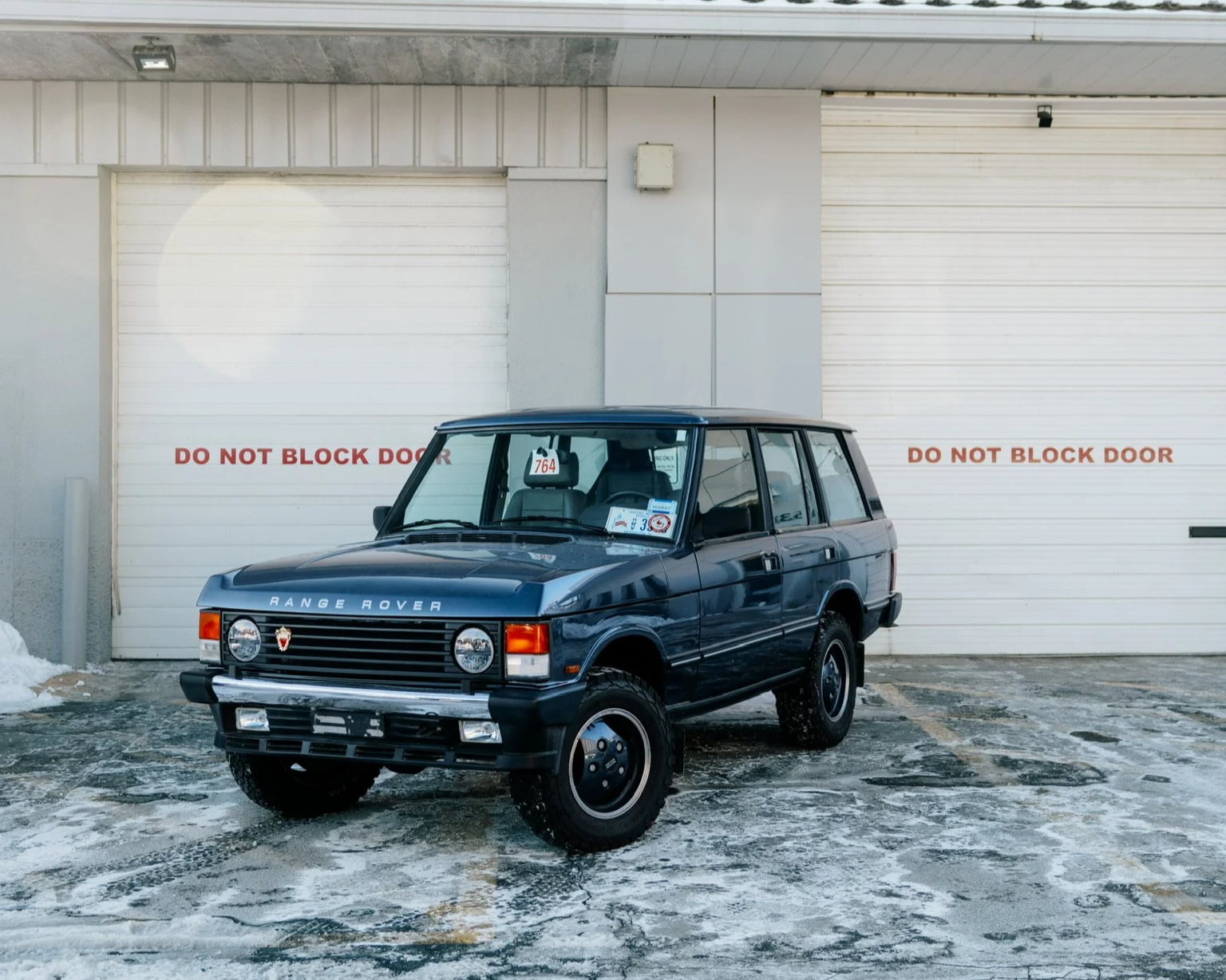
The owner noted poor heat in the cabin, which led us to a coolant leak that had been steadily working against the heater system. At the same time, a persistent belt squeal made itself known on cold starts, and closer inspection revealed a leaking steering box. Nothing dramatic, but all things that matter more when temperatures drop and tolerances tighten. One of the door locks was also sticking, a reminder that winter is rarely kind to ageing mechanisms.
None of these problems are unusual for a well-used Classic. But taken together, and in the middle of winter, they were enough to turn a good truck into a frustrating one. With everything soon to be sorted, this Range Rover Classic will be back to doing what it has always done best, carry on in comfort and style no matter the temperature.
A 2018 Range Rover Sport Experiencing Reality
This 2018 Range Rover Sport came in with an electrical concern that quickly traced back to the original battery, testing at just 11.05 volts, well below spec and unsurprising given that it's nearly 8 years old. Replacement was the clear first step.
During inspection, a coolant leak was found at a failed hose, an issue best addressed early to prevent it from cascading into larger cooling-system problems.
Tire wear was also noted, with fronts at 6/32 and rears down to 3–4/32. Rear replacement is recommended to maintain proper balance and performance.
Nothing unusual for a well-used Range Rover Sport. Just the kind of timely maintenance that keeps a modern Rover dependable, safe, and ready for daily use.

A Disco II With A Snapped-Off Key In The Ignition.
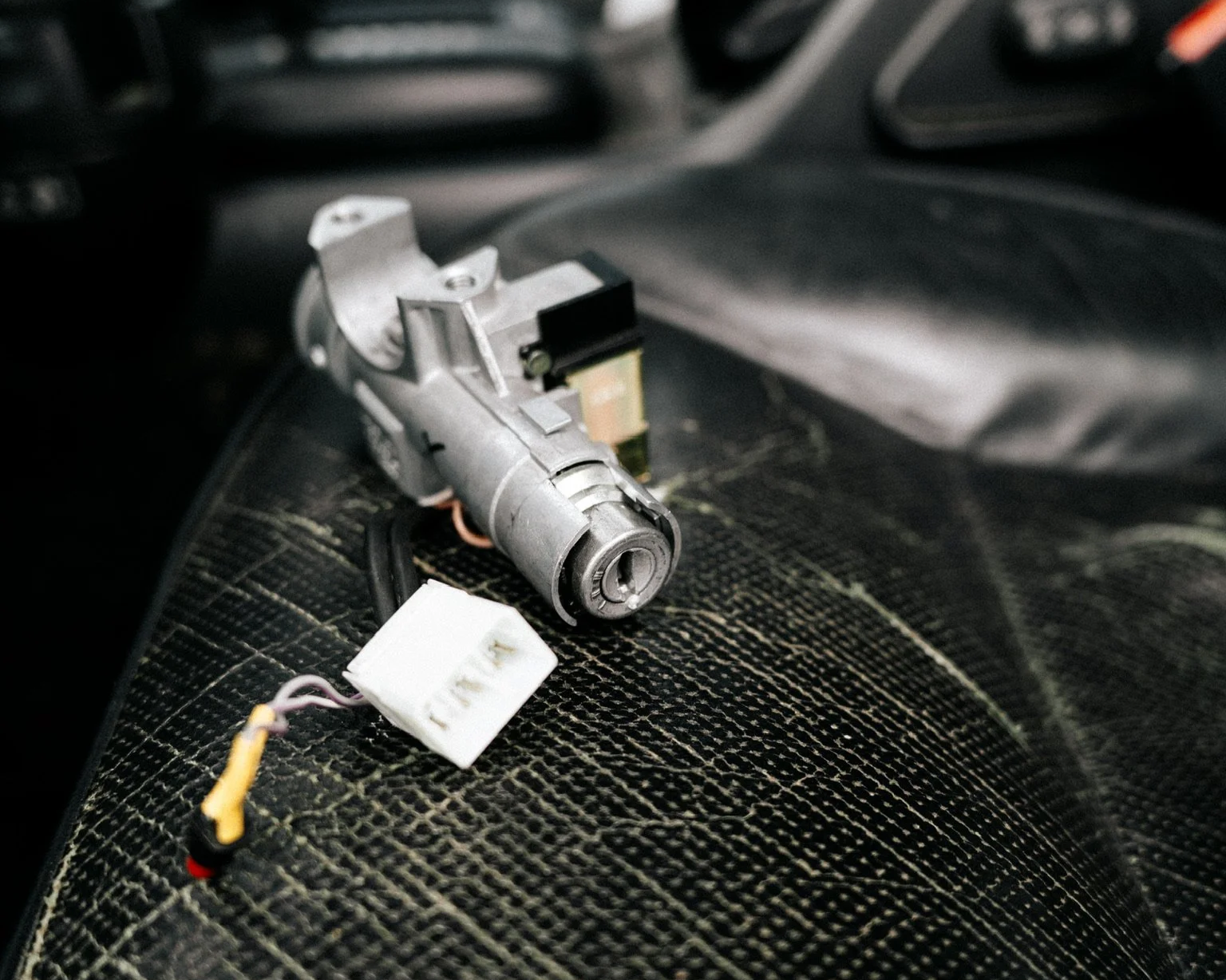
This modern-classic Discovery II arrived on a flatbed this week with a problem that’s equal parts mechanical and philosophical: a key snapped clean off in the ignition.
The story, as it goes, involved a stubborn ignition cylinder. Someone cranked just a little too hard, and old metal did what old metal does best. Break.
It’s a surprisingly common failure on ageing Land Rovers. The ignition cylinders can be finicky, and decades-old keys don’t appreciate being persuaded.
We’ll replace the ignition cylinder and have this Discovery back on the road shortly. But consider this a gentle reminder, both mechanically and otherwise: if the key isn’t turning, it’s probably trying to tell you something. Forcing it rarely improves the outcome.
FIELDCRAFT TIPS
Maintenance and Troubleshooting
Wide Tracks, Narrow Margins
Older Defenders don’t fail loudly. They fail quietly, and usually right after you’ve decided everything is fine.
These trucks were designed in an era with little tolerance for neglect and even less margin for error. A slightly weak battery, a hose that seeps only when hot, a ground that’s technically connected but not quite clean. Each on its own is survivable. Together, they’re what make a reliable Defender unpredictable.
Good fieldcraft starts with knowing where margins disappear. Pay attention first to heat and charging. Watch for small fluid leaks, especially oil and coolant, because seepage today is failure later. And take note of how things feel. Changes in things like steering play, clutch engagement, and gear selection are often early warnings, not quirks.
Fieldcraft with an older Defender is all about attention to detail. Listening for changes. Addressing small issues early. Respect that, and a Defender will carry you a long way. Ignore it, and the margin disappears faster than you expect.
If you want help identifying where your truck’s margins are thinning, that’s a conversation we’re always happy to have.
ROVER CULTURE
Events and Land Rover News

10 Years Since The Final Defender
This week marks ten years since the final classic Land Rover Defender rolled out of Solihull.
On 29 January 2016, production ended on a vehicle that had been in continuous service, in one form or another, since 1948. What began as a practical answer to post-war Britain’s needs became one of the most recognisable working vehicles the world has ever known. Built with aluminium because steel was scarce, designed to be repaired with basic tools, and engineered to survive far from help, the Defender was never meant to be precious.
It was meant to work.
Over nearly seven decades, it earned its reputation the hard way. On farms and building sites. In military service and humanitarian aid. On expeditions that pushed maps to their limits and in everyday lives that simply needed something dependable. It carried Royals, doctors, soldiers, adventurers, families, photographers, humanitarian workers and entire livelihoods. Often slowly. Rarely quietly. Always faithfully.
Comfort was optional, but character? That was unavoidable.
Panels were straight. Interiors were simple. Doors never closed properly, and rain always got in. If something broke, you fixed it. If it rattled, you learned its rhythm. Dents weren’t flaws; they were battle scars and memories.
When the last Defender left the production line, it wasn’t just the end of a model. It marked the end of an infamous era in British manufacturing, one rooted in utility, restraint, and making do. A time when longevity mattered more than perfection, and usefulness was the highest compliment.
Ten years on, the legacy hasn’t faded. With over 75% still roaming the world, the Defender/Series family is still earning its keep, still being used as intended. In workshops, battlefields, Mountain towns, fields, lanes, and back roads. Passed down. Patched up. Trusted.
Don’t cry because it’s over.
Smile because it happened.
AGULHAS UPDATES
Current Builds
Sneak Peek at the Newest Agulhas Build
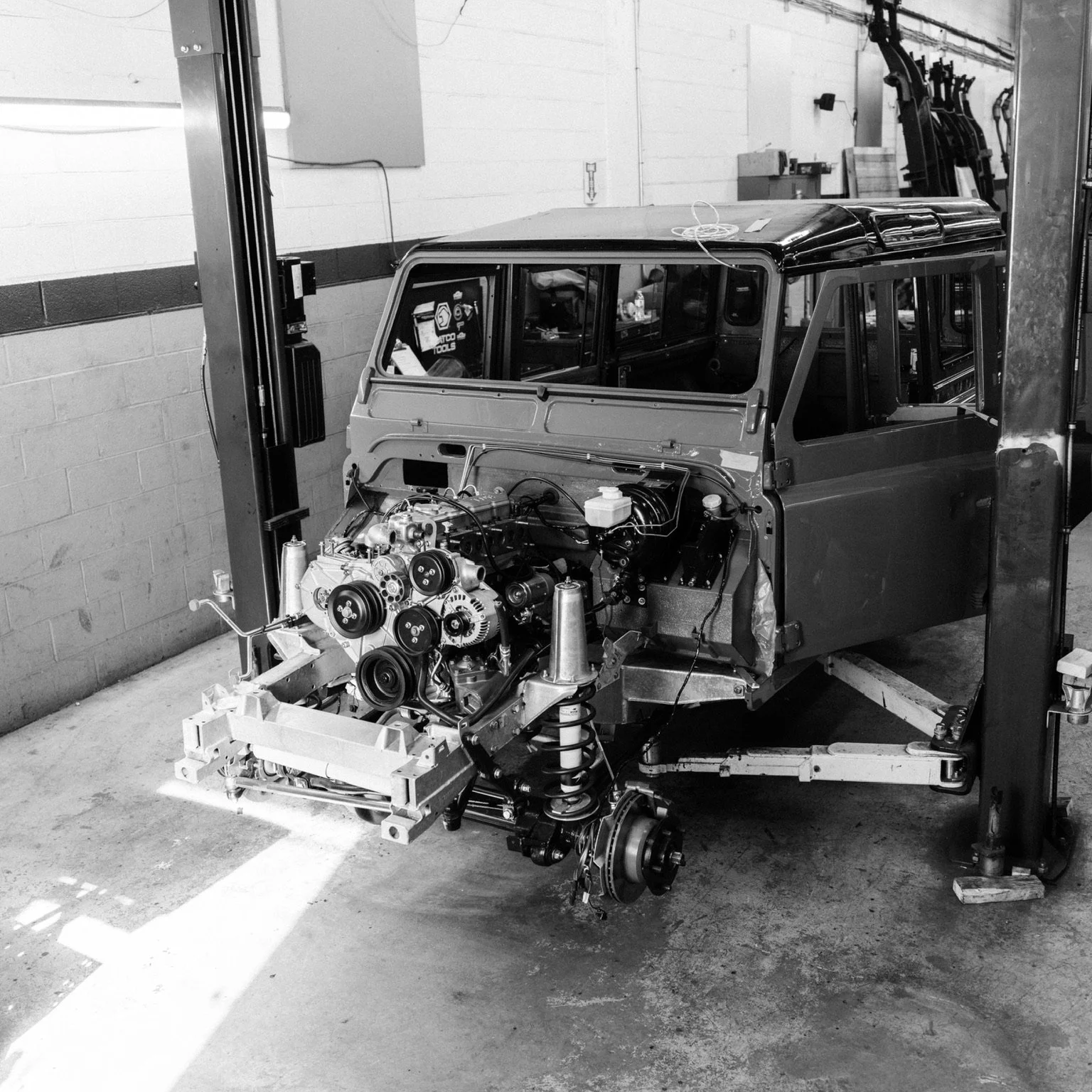
Progress continues quietly but steadily on our newest Agulhas Defender 110 Station Wagon.
This week’s work has shifted toward refinement and preparation. Sound-deadening spray has been applied inside the doors, an early but important step in improving long-term comfort and reducing road noise without compromising the character of the truck.
Inside, the dashboard has been mocked up and prepped for recovering. The final material and colour are still under wraps, but the groundwork is now in place to move forward with the interior.
The windows have also been prepped and are ready for installation, marking another step toward reassembling the body after disassembly.
As always, progress comes in deliberate stages. Each small step is about setting the conditions for the next, so when this Defender comes together, it does so with intention. More updates soon.